Exhibit 3: Oil Paint = Property
Oil painting wasn't just a technique but a way of showing off what you owned. From 1500 to 1900, European paintings celebrated private property more than anything else.
To have a thing painted and put on a canvas is very much like buying it and putting it in your house.
Oil paintings in general have a special ability to express the tangibility, texture, and solidity of what they portray, which makes them perfect for showing things you can own. While a painting's images are two-dimensional, it can emphasize objects with color, texture, and temperature that fill a space and, and implicitly, the entire world.
Before oil paintings, images celebrated wealth as a symbol of a fixed social or divine order. Oil paintings celebrated a new kind of wealth that was dynamic and found its only authority in the buying power of money. The painting itself had to demonstrate the desirability of what money could buy which lied in how tangibile it looked.
Showing Off Surfaces
Look at Holbein's painting of The Ambassadors from 1533. Every square inch of its surface appeals to the sense of touch while remaining purely visual. The eye moves from fur to silk to metal to wood to velvet to marble to paper to felt, and each time what you see has already been translated into a sensation.
There are two men in the painting next to symbolic objects but what dominates is the stuff they're surrounded by and clothed in. The materials matter more than the people. Each surface has been elaborately worked over by weavers, embroiderers, carpet-makers, goldsmiths, leather workers, and then finally reproduced by Holbein himself.
Paintings as Proof
If you buy a painting, you also buy the look of the thing it represents. A patron couldn't be surrounded by music or poems the same way he could be surrounded by his pictures. The paintings showed what the owner was already enjoying among his possessions and way of life, which strengthened his own sense of value and enhanced his view of himself as he already was.
The pictures in a palace represented a kind of microcosm where the owner had recreated all the features of the world he was attached to. Oil painting did to appearances what capital did to social relations by reducing everything to the equality of objects. Everything became exchangeable because everything became a commodity and all reality was measured by its materiality.
Categories of Ownership
Different genres of painting existed to celebrate different kinds of property. Paintings of food demonstrated confirmed the owner's wealth and lifestyle. Paintings of animals showed livestock whose stature proved their value and emphasized the social status of their owners. Buildings were painted as features of landed property, not ideal architecture.
Even landscape painting, which seems different, often served the same purpose. When Mr. and Mrs. Andrews commissioned Gainsborough to paint their portrait, they specifically wanted the recognizable landscape of their own land as background. They are depicted as landowners and their proprietary attitude toward what surrounds them is visible in their stance and expressions.
The pleasure their portrait gave them included the pleasure of seeing themselves depicted as landowners and by oil paint's ability to render their land in all its substantiality. At that time, the possession of private land was the precondition for the enjoyment of nature.
What Gets Painted and Why
Look at what these paintings show and who they were made for. Notice the pattern of ownership.
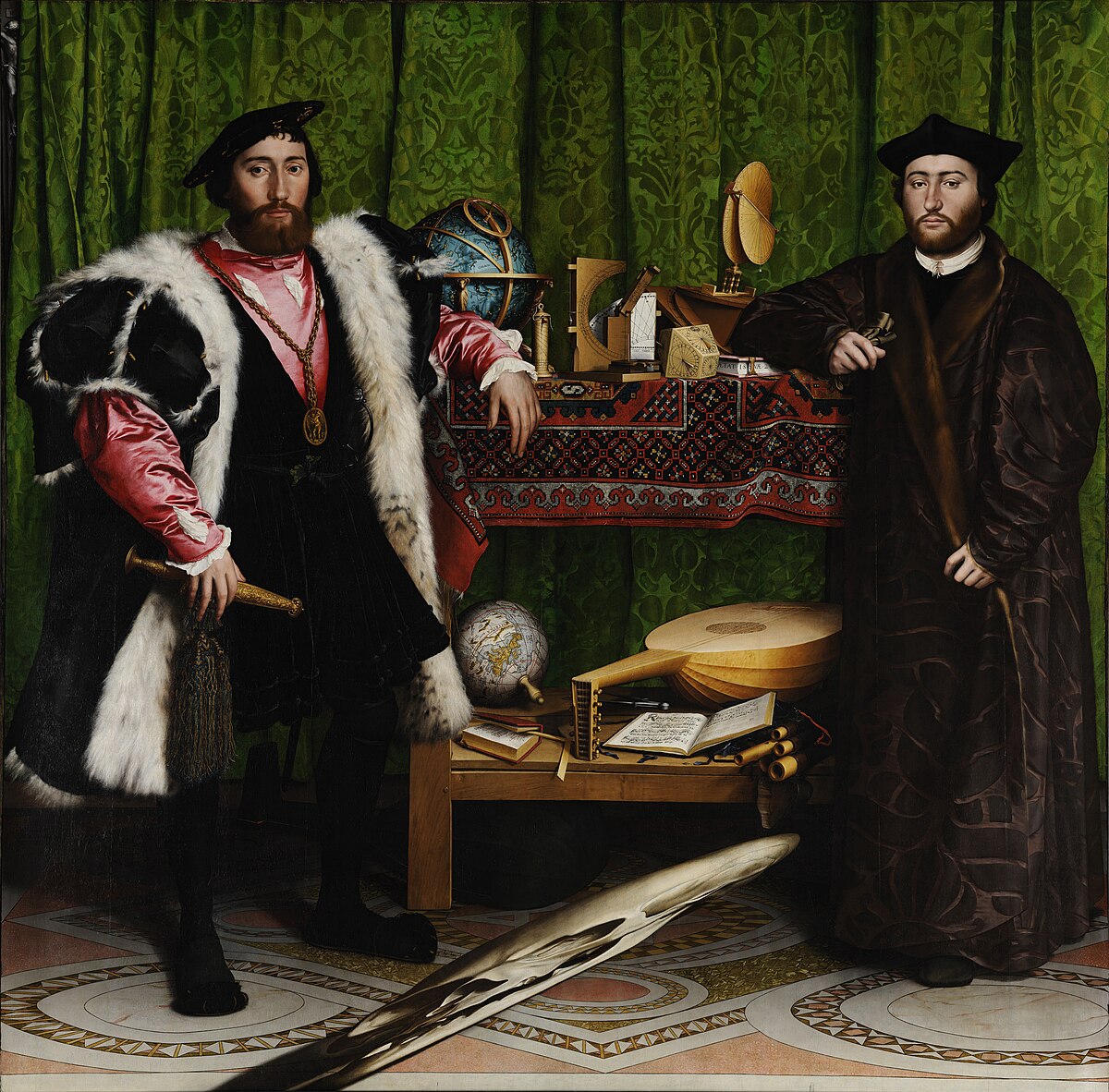
The Ambassadors surrounded by objects that show their wealth and status. The scientific instruments reference their involvement in colonial trade routes.
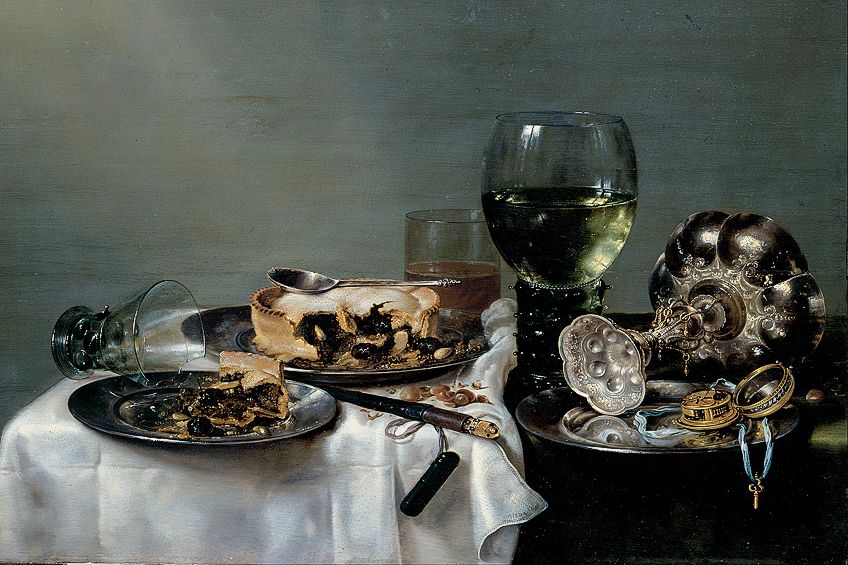
Luxury foods painted with enough detail to make you feel like you could reach out and touch them. This is what money could buy.
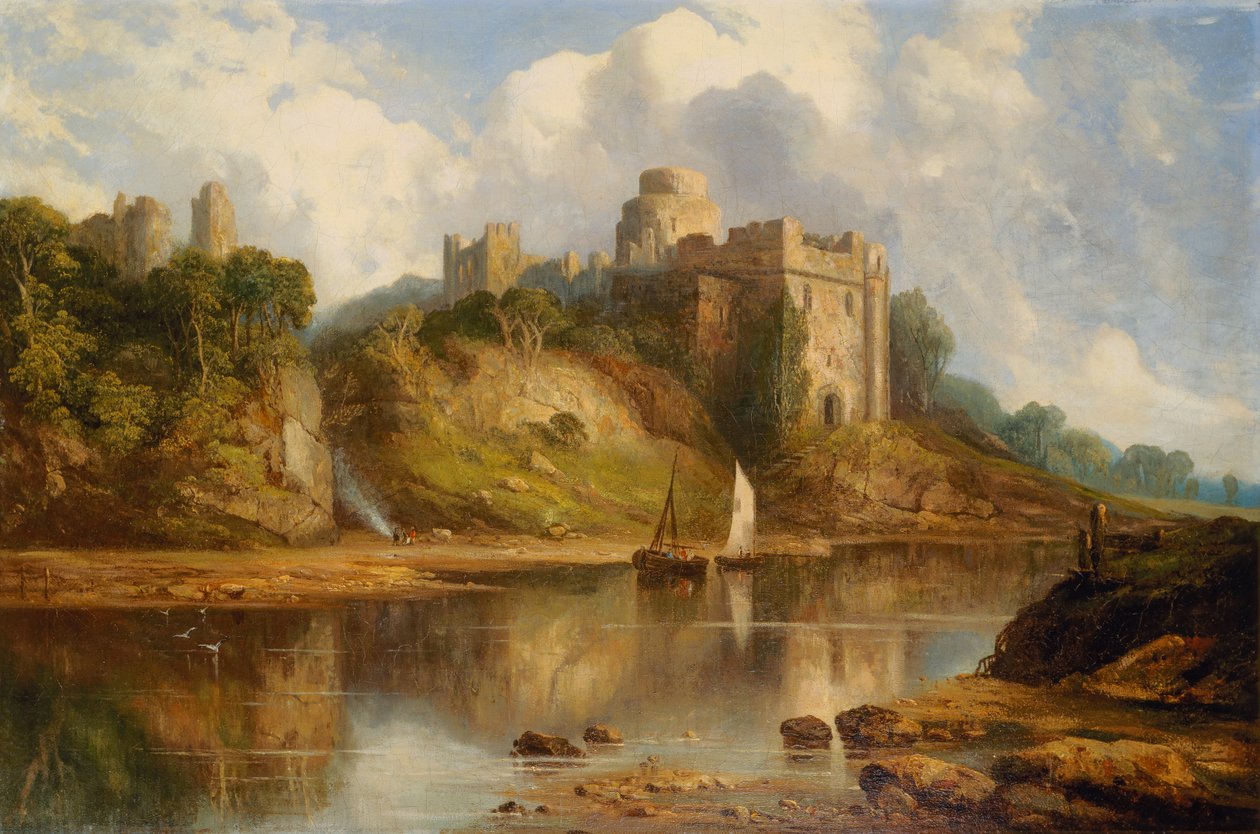
Pembroke Castle painted as a feature of property, not as a work of architecture. The emphasis is on ownership.
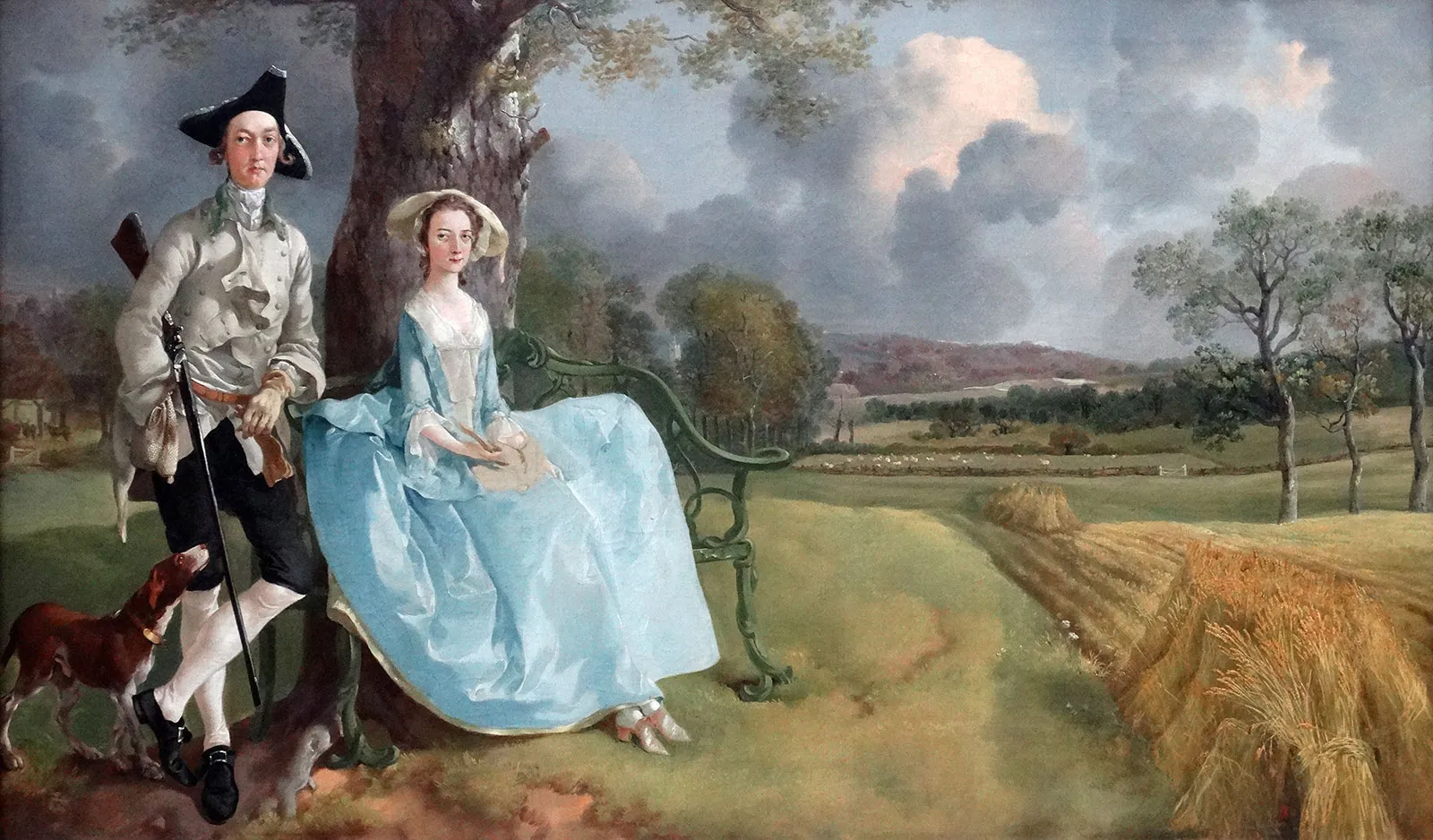
Mr. and Mrs. Andrews on their land. The landscape behind them is as much a part of what they're showing off as their clothes.
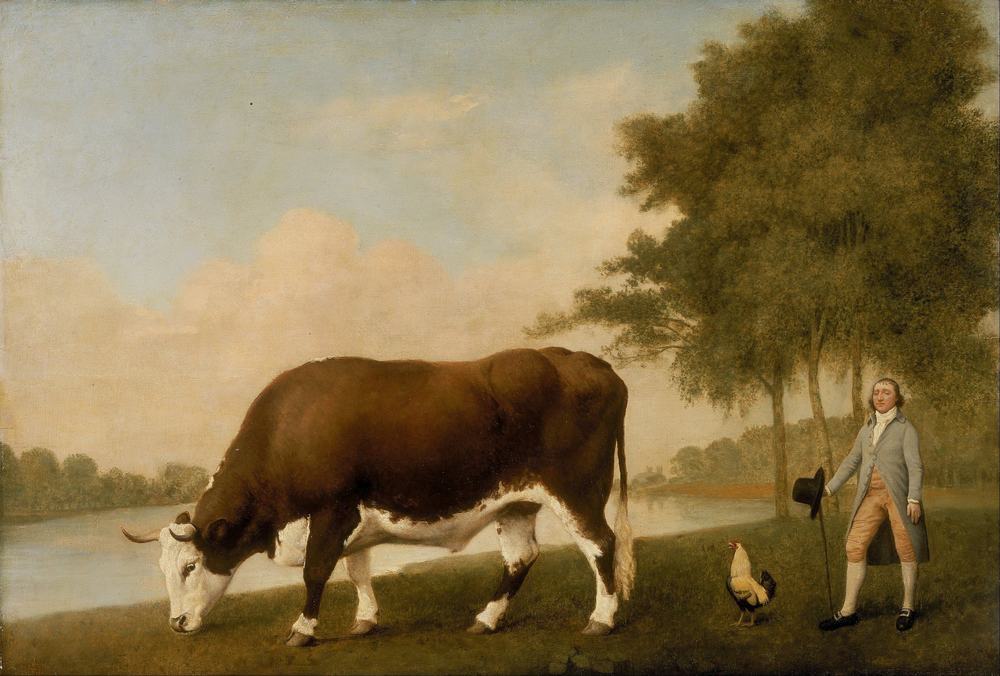
Objects, even living things, became known as "objets d'art". The painting shows their texture, shine, and value in a way that proves ownership.
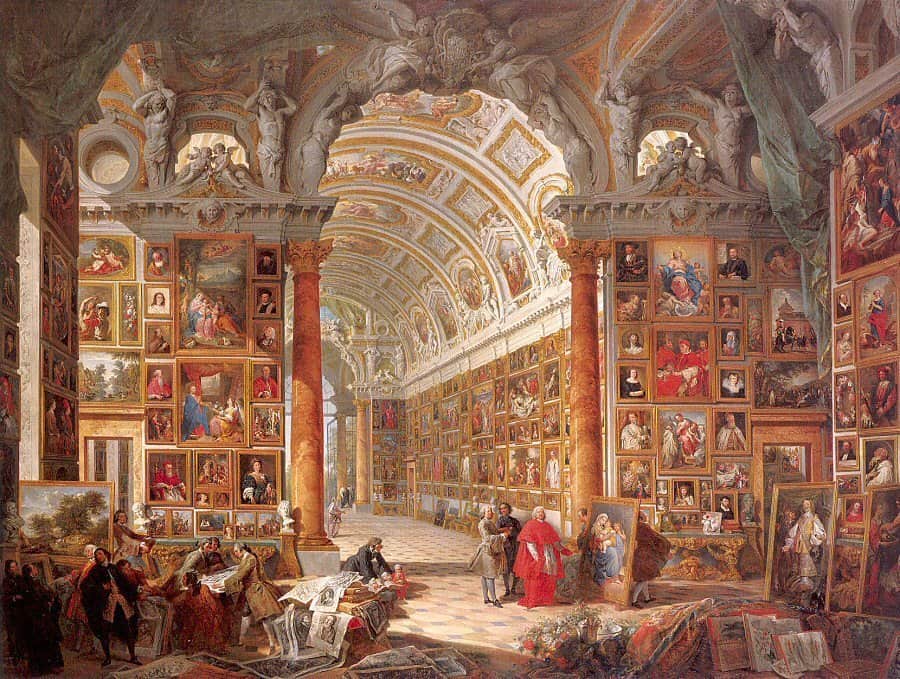
A collector surrounded by his paintings. It's as though he lives in a house built of paintings, each one showing him something he possesses.