Exhibit 4: Publicity Sells Envy
Advertising borrowed everything from oil painting. Both use the same visual language, but while paintings showed what you already owned, ads show what you could own. The real product being sold isn't the thing itself but the feeling of being envied.
Publicity speaks to each of us that we transform ourselves or our lives by buying something more.
In cities, we see hundreds of advertisements every day. We've become so accustomed to being addressed by these images that we scarcely notice their total impact. They belong to the moment because they must be continually renewed and only speak of the future.
Publicity is usually justified as a competitive medium that benefits consumers and manufacturers, closely related to ideas about freedom of choice and enterprise. It's thought to offer a free choice, but while one brand competes with another, every image confirms and enhances every other.
The State of Being Envied
Publicity persuades us of this transformation by showing people who have apparently been transformed and are, as a result, enviable. The state of being envied is what constitutes glamour, and publicity is the process of manufacturing it. Publicity feeds on the real pleasure of things like clothes, food, cars, and sunshine, but it can never offer the real object of pleasure because there's no substitute for pleasure in its own terms.
For example, the more convincingly publicity conveys the pleasure of bathing in a warm, distant ocean, the more aware the spectator-buyer becomes that he's hundreds of miles away from that ocean. Publicity offers one an image of themself being made glamorous by the product and in turn, the image makes one envious of themself.
Stealing Your Self-Love
Being envied is a solitary form of reassurance that depends on not sharing your experience with those who envy you. You're observed with interest but you don't observe another with the same interest because if you do, you become less enviable. The spectator-buyer is meant to imagine themself transformed into an object of envy for others.
The publicity image steals ones' self-love as they are and offers it back to them for the price of the product. The purpose of publicity is to make the spectator marginally dissatisfied with their present way of life, not with the way of life of society but with his own within it. It suggests that if one buys what it's offering, their life will become better and offers an improved alternative to what they are.
Oil painting was addressed to those who made money out of the market, while publicity is addressed to those who constitute the market. Money becomes the token of every human capacity, and the power to spend money is presented as the power to live.
The Language of Oil Painting
Publicity depends heavily on the visual language of oil painting, as it "speaks" in the same voice about the same things. There are direct references to works of art from the past, with whole images sometimes being near copies of well-known paintings. Any work of art quoted by publicity serves two purposes. The first is that it's a sign of affluence that belongs to the good life. The other is that it suggests a form of dignity superior to material interest.
Publicity has understood the tradition of oil painting more thoroughly than most art historians by grasping the implications of the relationship between the work of art and its spectator-owner.
The invention of cheap color photography made it easy to translate the language of oil painting into publicity about 15 years before Berger wrote this text. Color photography can reproduce the color, texture, and tangibility of objects as only oil paint had been able to do before. It's basically to the spectator-buyer what oil paint was to the spectator-owner, by using vivid expression to means to convey the sense of acquiring the real thing.
From Oil Paint to Advertising
Look at how advertising borrowed the visual language of oil painting. Notice the similarities in pose, composition, and promise.
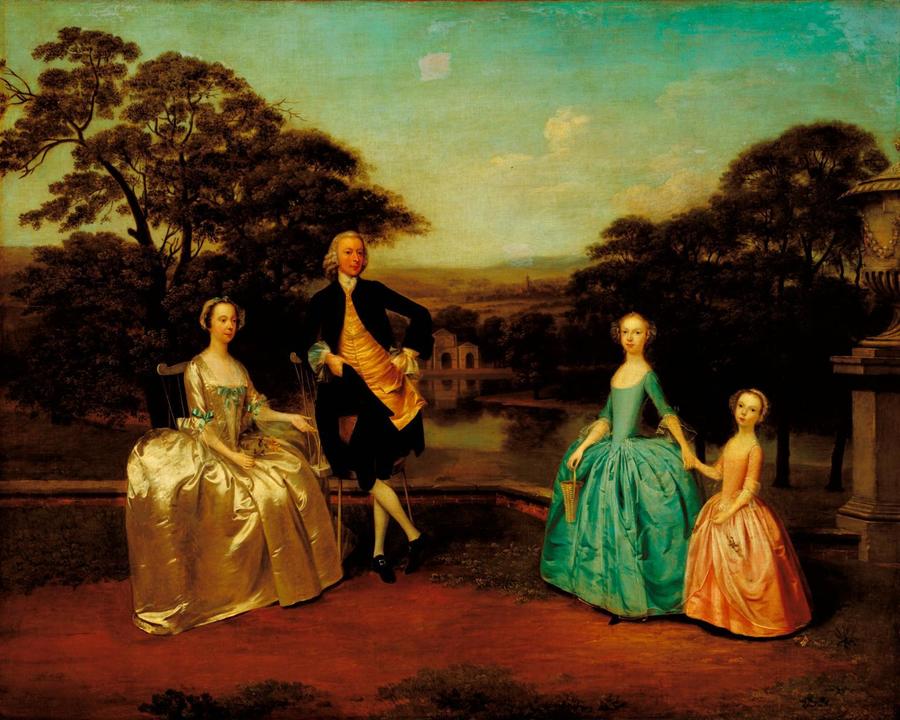
Oil painting of the James family in 1711 showing wealth and luxury. The painting celebrates what the owner already possesses.
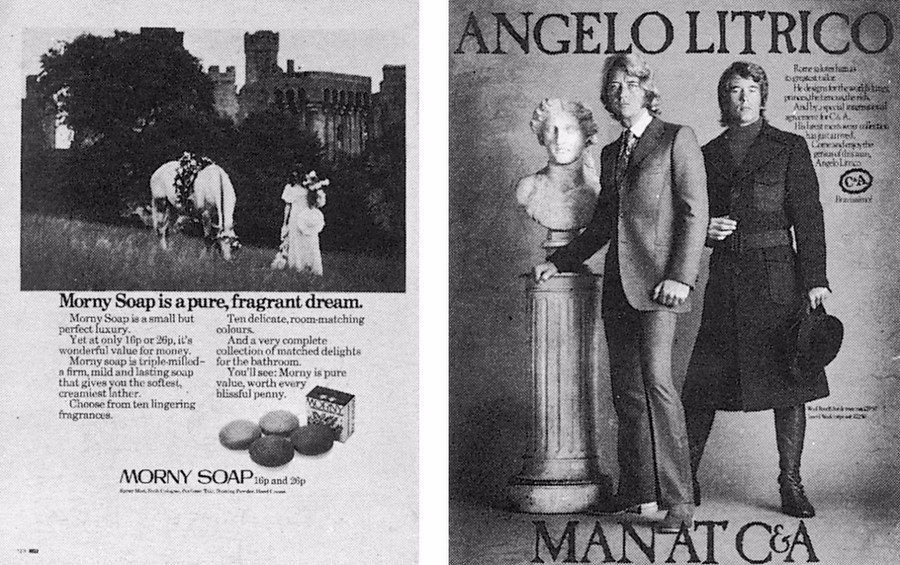
A modern advertisement using the same visual language as oil paintings. Now it promises what you could possess if you buy the product.
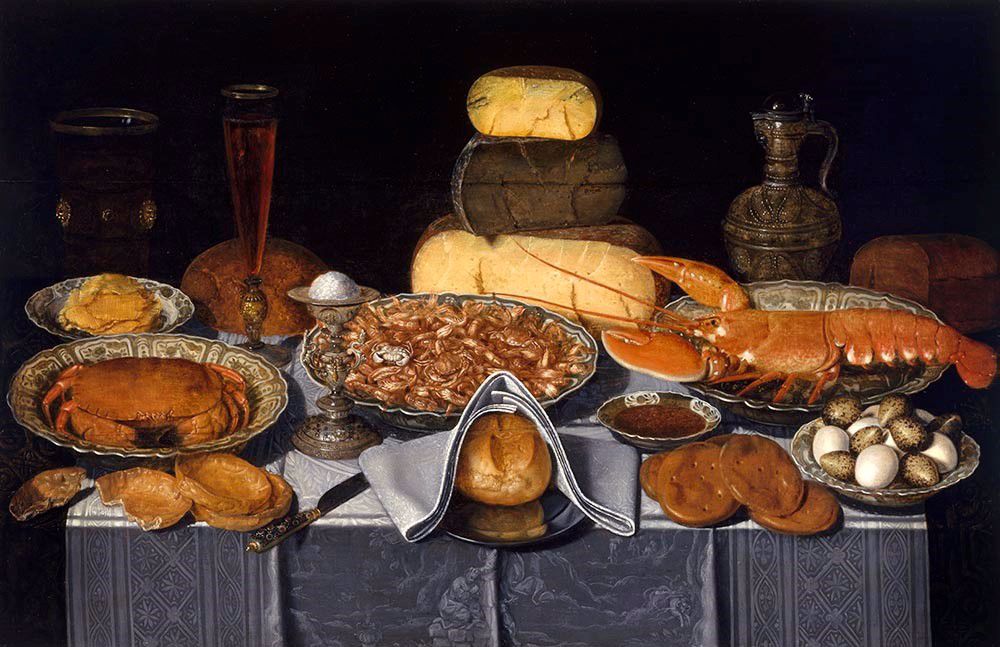
A still life painting making food look tangible and desirable. Oil paint's special ability is rendering texture and solidity.

Color photography inherited oil paint's ability to make you feel like you could reach out and touch what's depicted.
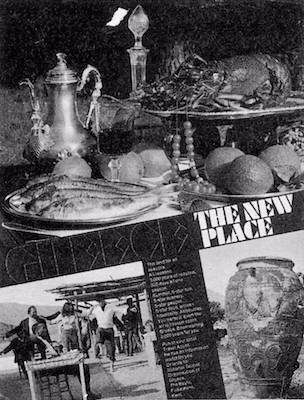
Advertisements often quote famous paintings directly, borrowing their cultural authority to sell products.
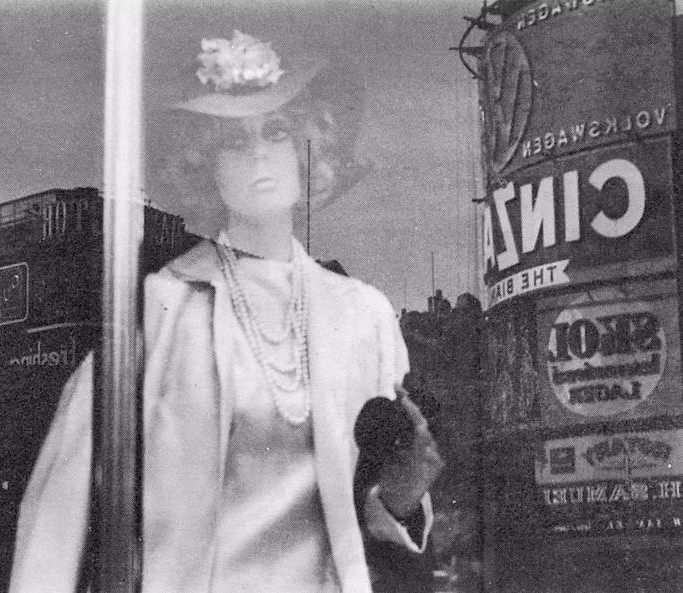
The glamorous figure in publicity looks out with the same distant gaze found in portraits of the wealthy. Both invite envy rather than connection.